The "heating core" of your oven, water dispenser, and deep fryer are all stainless steel electric heating tubes—but these seemingly similar metal tubes aren’t one-size-fits-all models. They’re precisely categorized into three types based on their heating mediums. Recently, industry insiders used a product classification chart to explain the division logic of stainless steel heating tubes, helping people understand how these small components adapt to different devices.
1. Dry-Burning Tubes: High-Temperature Specialists for Air Environments
These heating tubes use air as the heating medium, designed exclusively for devices like ovens, microwaves, food roasters, and space heaters. To withstand high temperatures (over 200°C in some devices) during dry operation in air, they’re often shaped into coils or custom profiles—these designs ensure even heat distribution while fitting the internal space of the device, making them the go-to heating parts for dry-burning scenarios.
2. Water Heater Tubes: Corrosion-Resistant Experts for Water Media
These tubes use water as the heating medium, and are standard for water-related devices like water dispensers, water heaters, dishwashers, and washing machines. They require corrosion resistance (typically made of materials like SUS304 stainless steel) and often feature compact tube or ring shapes, which fit the space of water storage containers and enable fast, uniform water heating.
3. Deep Fryer Tubes: Heat-Resistant Specialists for Oil Environments
These heating tubes use cooking oil as the heating medium, tailored specifically for deep fryers. Since cooking oil heats to higher temperatures than water and leaves sticky grease deposits, these tubes must tolerate higher heat. Their design also prioritizes even oil heating, keeping the fryer’s temperature stable and controllable.
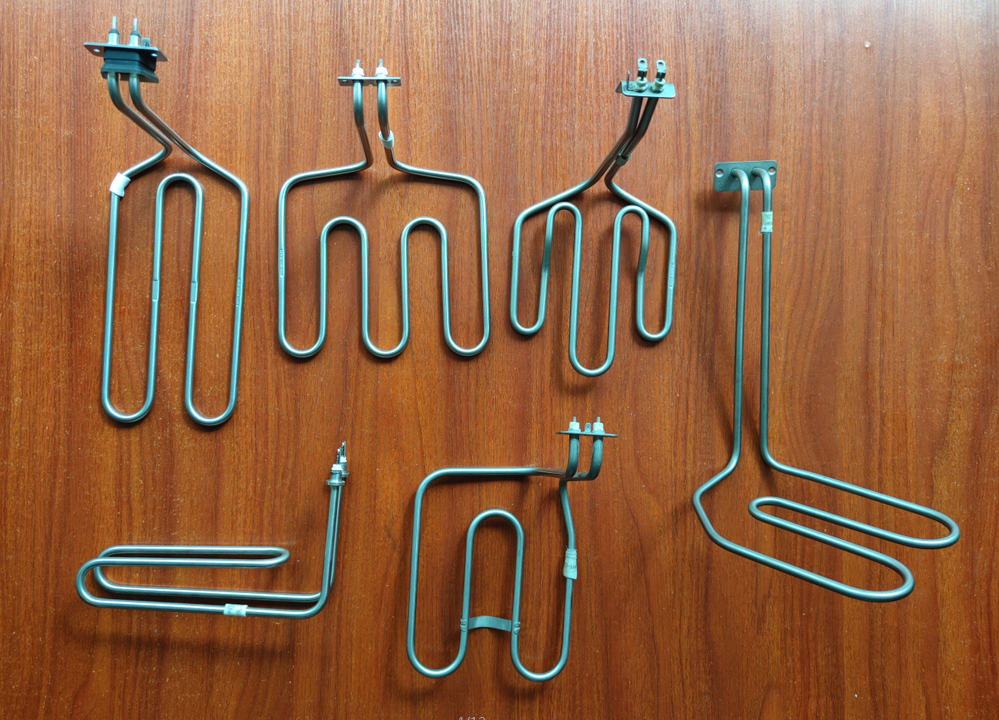
### 科普:Why You Can’t Mix Heating Tubes Across Devices
The key lies in the distinct properties of each medium: dry air requires high-temperature tolerance, water causes corrosion, and oil brings high heat plus sticky residue. Mixing tubes (e.g., using a water-medium tube for dry burning) drastically shortens the tube’s lifespan, and may even cause safety hazards like burnout or corrosive leakage. Thus, heating tubes must be used for their intended device-specific purposes.
Industry experts advise: When buying devices or replacing heating tubes, pay attention to the compatible heating medium. Professional manufacturers customize tube materials and structures based on the device’s medium characteristics—choosing the right "specialized tube" ensures both safety and long-term durability of your equipment.


